




In today’s fast-paced and technology-driven world, the early years of a child’s life are more crucial than ever. Playschool has become an essential foundation for children, offering more than just basic education—it nurtures overall development in a structured yet playful environment.
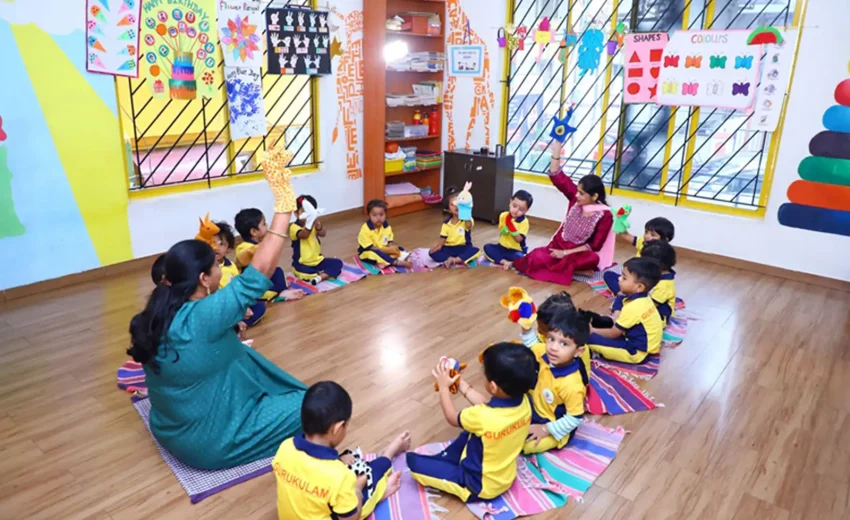
Playschools provide children with their first experience of being away from home in a safe and caring setting. This helps them build confidence and adapt to new environments, laying the groundwork for smoother transitions into formal schooling. Social interaction is another key benefit. Children learn to share, cooperate, and communicate with peers, fostering emotional intelligence and empathy from a young age.
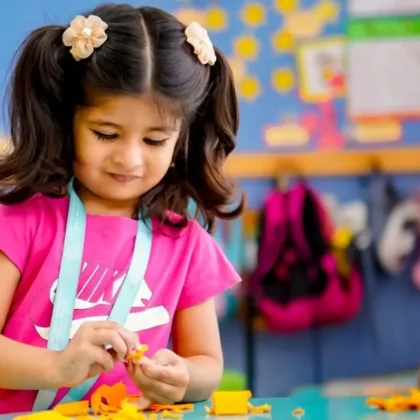
Cognitive and motor skills are also enhanced through various hands-on activities such as puzzles, art, music, and storytelling. These activities are designed to stimulate creativity and curiosity, encouraging children to explore and learn at their own pace. With the guidance of trained educators, children develop basic concepts of numbers, letters, colors, and shapes in an engaging manner.
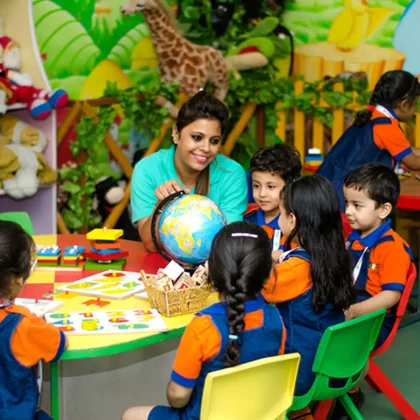
Moreover, playschools help in the development of routines and discipline. Children learn the importance of following instructions, taking turns, and participating in group activities—all of which are vital life skills.
In a world where screen time is replacing physical play and communication, playschools provide a much-needed balance by promoting active learning and real-world social interaction. They help in identifying a child’s strengths, interests, and areas needing attention early on, allowing for better guidance and support.
In conclusion, a quality playschool experience lays a strong educational and emotional foundation. It prepares children not just for school, but for life—by nurturing confident, curious, and capable individuals ready to face the challenges of the modern world.
Playschool is important for a child as it builds the foundation for learning, social skills, and emotional development. It helps children adapt to a structured environment, interact with peers, and express themselves confidently. Through fun activities, they develop language, motor, and thinking skills, making playschool a vital step in preparing them for formal education and life ahead.
Playschool plays a vital role in a child’s early development, shaping the foundation for future learning and social behavior. It provides a structured environment where children engage in play-based activities that promote both physical and mental growth.
One of the key benefits of playschool is social development. Children learn to interact with peers, share, take turns, and communicate their thoughts. These interactions help build confidence, emotional resilience, and empathy. Playschool also introduces children to a routine, helping them understand discipline, responsibility, and the concept of time.
Cognitive development is supported through creative activities like drawing, singing, storytelling, and problem-solving games. These enhance memory, attention, and language skills. Physical development is encouraged through play and movement, improving motor skills and coordination.
Moreover, playschool helps identify each child’s unique interests and strengths, allowing early support in areas that need improvement. It also eases the transition to formal schooling by familiarizing children with a classroom setting.
In today’s digital age, where real-world interaction is often limited, playschool provides a balanced and engaging space for holistic growth. It nurtures curious, confident, and independent learners, making it an essential part of a child’s early years.