





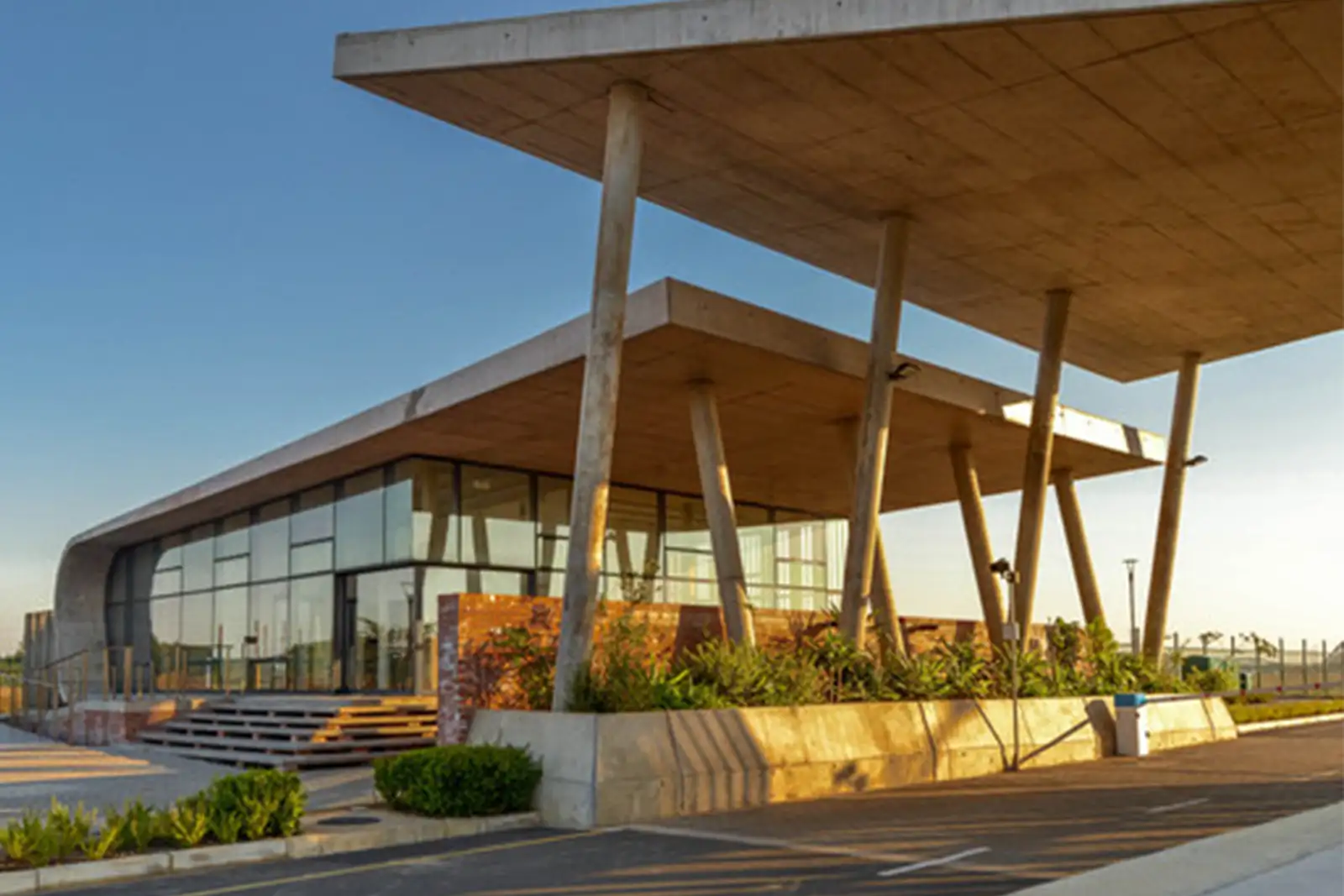

A company’s entrance is more than just a doorway or a gate; it is the first impression visitors, clients, and business partners experience when they arrive. A well-designed project entrance reflects the company’s identity, professionalism, and commitment to quality. Through thoughtful architectural design and branding, an entrance can transform an ordinary commercial space into an impressive and welcoming environment.
1. Creating a Strong First Impression
First impressions play an important role in shaping how people perceive a company. An attractive entrance immediately captures attention and creates a sense of trust and credibility. Whether it is an office building, industrial facility, commercial complex, or corporate campus, a carefully planned entrance communicates professionalism and attention to detail.
Elements such as modern structures, elegant gates, attractive façades, and well-designed pathways can make the entrance visually appealing while establishing a distinctive identity for the business.
2. Reflecting the Company’s Brand Identity
Architectural design and branding work together to create a consistent corporate image. A project entrance can incorporate the company’s logo, brand colors, signage, and architectural style to communicate its values and personality.
For example, a technology company may prefer a sleek, contemporary entrance with clean lines and minimalist features, while a luxury brand may choose premium materials, sophisticated lighting, and elegant architectural details.
When the entrance reflects the company’s brand identity, it becomes more than a functional structure. It becomes a recognizable symbol of the organization.
3. Enhancing Architectural Beauty
A well-designed entrance can significantly improve the overall appearance of a property. The combination of balanced proportions, high-quality materials, landscaping, lighting, and creative structural elements creates a visually harmonious environment.
Materials such as glass, steel, natural stone, concrete, and wood can be combined to achieve different architectural styles. Thoughtful landscaping with greenery, decorative plants, and organized pathways adds freshness and improves the visual appeal of the surrounding space.
These design choices help create an entrance that complements the building while making the entire project look more refined and professional.
4. Improving Visitor Experience
An effective entrance should be attractive as well as practical. Clear signage, organized access points, appropriate lighting, and well-planned pedestrian and vehicle movement make it easier for visitors to navigate the property.
Accessibility, safety, and convenient circulation should be considered during the design process. A welcoming and user-friendly entrance demonstrates that the company values the comfort and convenience of employees, customers, and guests.
5. Increasing Property Value and Business Appeal
A professionally designed entrance can enhance the perceived value of a commercial property. It creates a polished appearance that may attract potential clients, investors, tenants, and business partners.
Moreover, an impressive entrance can strengthen brand recognition and make the property more memorable. This visual advantage can support the company’s marketing efforts and help it stand out in a competitive business environment.
Conclusion
A project entrance is an essential part of architectural design and corporate branding. By combining visual appeal, brand identity, functionality, and thoughtful planning, businesses can create entrances that leave lasting impressions. Investing in a well-designed entrance enhances the overall look of a company, strengthens its professional image, and creates a welcoming environment that reflects its vision and values.